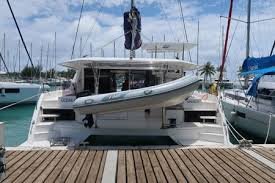
Brisbane Yacht Logistics
Overview – Brisbane as a Delivery Port
The Brisbane yacht logistics process is defined by river access, tidal influence, and structured port operations. Unlike open marinas, Brisbane requires vessels to navigate the Brisbane River before reaching most berthing locations.
As a result, arrival and departure must be timed and coordinated rather than approached casually.
Approach – Coastal to River Entry
Approaching Brisbane involves transitioning from offshore passage into a controlled river system.
Crews should expect:
- Commercial traffic near port approaches
- Clearly marked shipping channels
- Gradual reduction in sea state when entering sheltered waters
Positioning for entry is straightforward, but timing becomes critical due to tidal flow.
Tidal Influence
Tide is a primary factor in Brisbane yacht logistics.
Key considerations:
- Strong tidal flow within the river
- Reduced maneuverability against current
- Improved control when entering on a favorable tide
For this reason, arrivals are often planned to align with incoming tide where possible.
River Navigation
Once inside, vessels proceed along the Brisbane River toward marinas.
Expect:
- Narrower channels compared to offshore navigation
- Interaction with commercial and recreational traffic
- Speed and wash considerations
Navigation is controlled but not complex, provided situational awareness is maintained.
Marina Options
Brisbane offers several established marina facilities.
Common destinations include:
- Rivergate Marina
- Brisbane River marinas
- Nearby alternatives depending on draft and vessel type
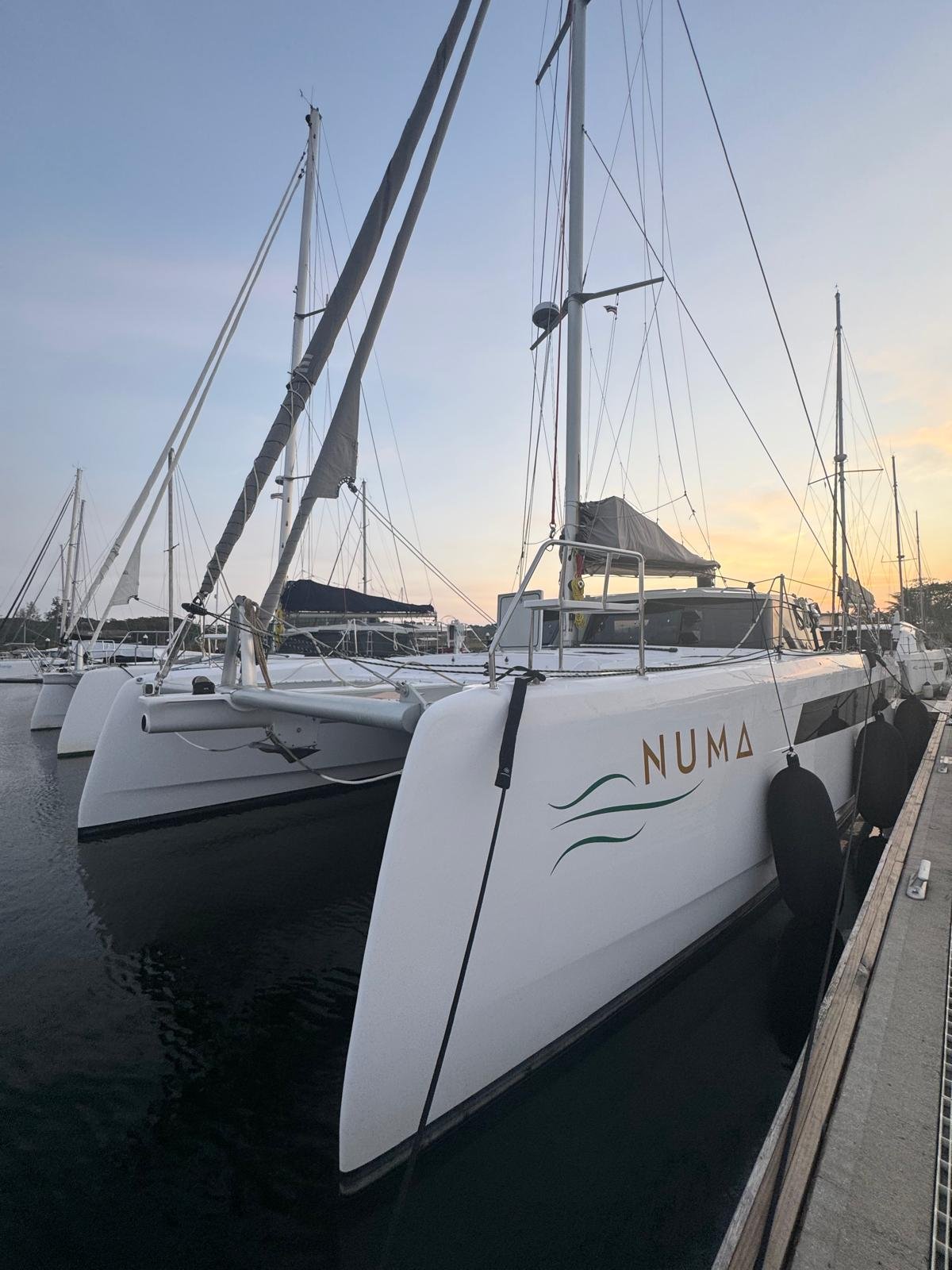
Berthing should be arranged in advance, especially for larger vessels or catamarans. The Gold Coast is within comfortable motoring range.
Departure Considerations
Departing Brisbane requires similar coordination.
Crews should plan for:
- Tidal timing for river exit
- Traffic movement within port limits
- Weather alignment before committing offshore
Leaving against strong current can reduce control and efficiency, so timing remains important.
Fuel and Services
Brisbane is a reliable service point.
Available facilities include:
- Fuel supply
- Maintenance and technical support
- Provisioning
This makes Brisbane a practical staging point before or after longer coastal deliveries.
Operational Considerations
The Brisbane yacht logistics process differs from open coastal ports due to its river-based access.
Key operational points:
- Tidal planning is essential
- River navigation requires attention to traffic
- Berthing must be pre-arranged
- Entry and exit are timing-dependent
Compared to offshore routing, the complexity here is procedural rather than environmental.
Summary – Brisbane Yacht Logistics
Brisbane provides a well-structured and reliable delivery port, but requires coordinated entry.
Key characteristics include:
- River-based marina access
- Strong tidal influence
- Controlled navigation environment
- Good infrastructure and services
Successful operations depend on timing, communication, and awareness during river transit.