Sydney to Brisbane Yacht Delivery Expectations
Overview – What to Expect on This Route
The Sydney to Brisbane passage is defined by offshore exposure, current influence, and changing coastal weather systems. This route runs along the NSW coastline and requires continuous monitoring of conditions rather than complex navigation.
Although commonly run, it is not a simple coastal cruise. It is an offshore delivery that depends on timing, routing, and consistent watchkeeping.
Departure – Sydney Harbour
Departure begins within Sydney Harbour, one of the busiest waterways in Australia.
Crews should expect:
- High ferry and commercial traffic
- Controlled navigation through harbour channels
- Timing the exit to align with offshore conditions
Once clear of the heads, the vessel transitions quickly into open water. From this point, conditions are fully exposed.
Passage – Offshore Conditions
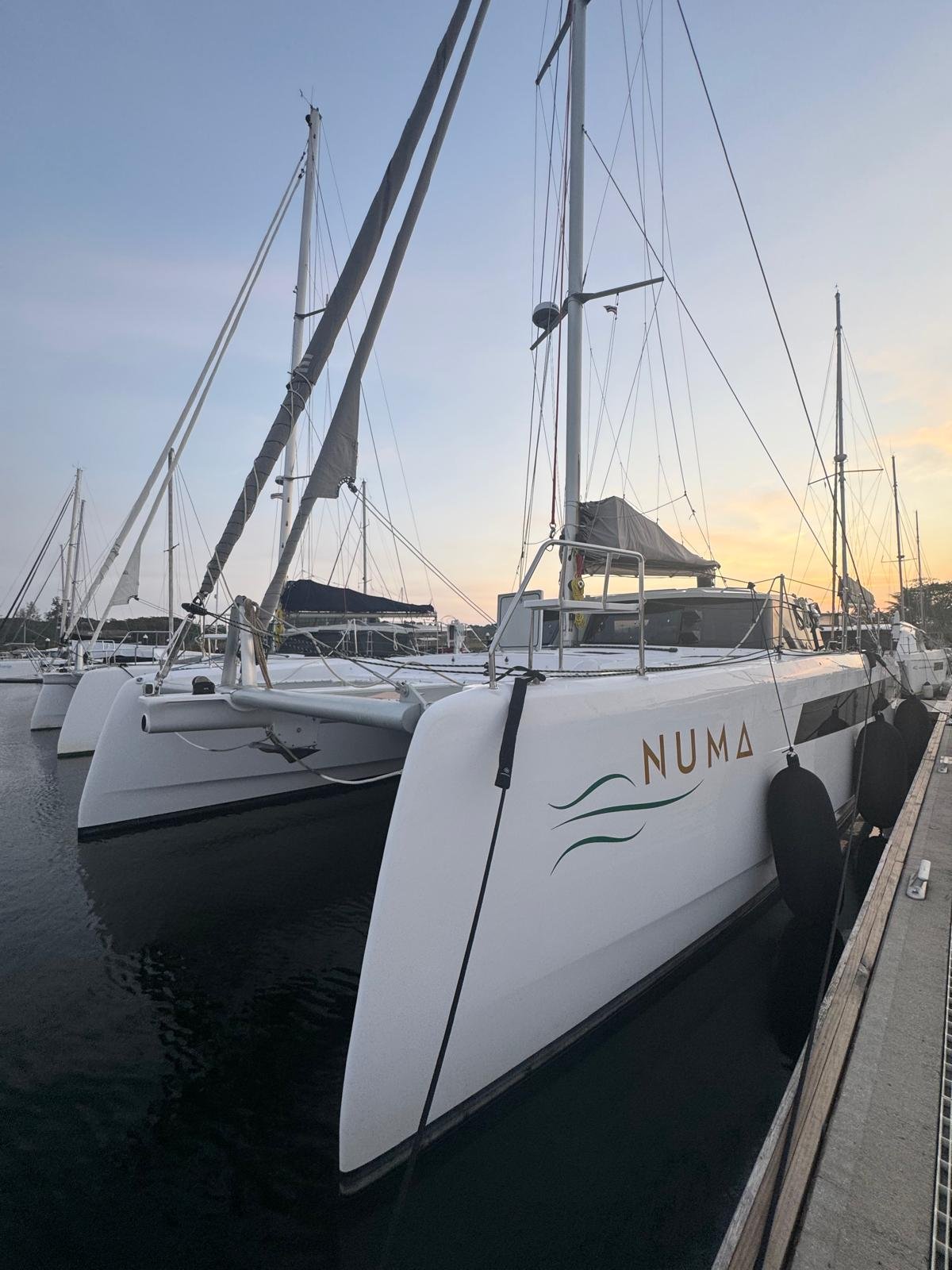
The Sydney to Brisbane trip will include a predominantly offshore passage. Attention must be paid to weather for a catamaran.
Key characteristics:
- Open ocean routing along the coastline
- Limited all-weather stopover options
- Continuous exposure to swell and wind
Most deliveries remain offshore to avoid coastal hazards and maintain efficiency. As a result, crews must be prepared for uninterrupted passage conditions over several days.
Current – East Australian Current (EAC)
The East Australian Current is a major factor on this route.
Crews should expect:
- South-flowing current of 2–3 knots
- Reduced speed when heading north
- Variable current strength depending on distance offshore
To manage this, routing is adjusted throughout the passage. In some cases, staying closer to shore reduces adverse current.
Weather and Sea State
Weather changes frequently along this stretch of coast.
Typical expectations include:
- Southerly changes moving north along the coast
- Northerly winds ahead of systems
- Shifting sea state based on wind and swell interaction
Sea conditions can build quickly, particularly when wind opposes swell. Therefore, crews must monitor forecasts continuously and adjust speed or course where required.
Traffic and Hazards
Traffic is moderate but consistent.
Common factors include:
- Commercial vessels along shipping routes
- Fishing activity and occasional debris
- Coastal traffic near major ports
Not all vessels transmit AIS, so visual watchkeeping remains essential, particularly at night.
Watchkeeping and Fatigue
This route is typically completed over multiple days, requiring structured watchkeeping.
Crews should expect:
- Continuous navigation monitoring
- Regular engine and system checks
- Fatigue management through rotation
Maintaining alertness is critical, especially during night operations and changing weather conditions.
Arrival – Brisbane Approach
Arrival into Brisbane introduces additional considerations.
Crews should expect:
- River entry with tidal influence
- Increased traffic near port approaches
- Coordinated marina access
Timing arrival with favorable tide improves control and simplifies entry into the Brisbane River.
Summary – Sydney to Brisbane Expectations
The Sydney to Brisbane expectations center on offshore exposure, current management, and changing weather systems.
Key expectations include:
- Immediate transition to open water after departure
- Adverse current when heading north
- Variable weather and sea state
- Continuous offshore watchkeeping
- Structured river entry on arrival
With correct timing and experienced crew, this is a standard and efficient delivery route.