Yacht delivery in Queensland is rarely a simple coastal hop. Whether moving a 50-foot catamaran from the Gold Coast to Brisbane, repositioning from Sydney northbound, or bringing a vessel down from Cairns, the operational profile is defined by trade wind patterns, East Coast lows, Coral Sea systems, and the complexity of the Great Barrier Reef coast.
Queensland deliveries demand structured weather analysis, tidal planning, and reef navigation discipline. The coast is long, exposed, and system-driven. Timing matters more than speed.
For vessels over 45 feet — both sail and power — this is asset management, not casual cruising.
Modern cruising cats such as Lagoon 50s or Leopard 48s are common on the Queensland coast. Delivery considerations include:
High windage forward of the beam
Bridge deck clearance vs steep short seas
Autopilot load when punching into SE trades
Slamming risk in wind-against-current scenarios
Reef navigation beam constraints in coral passes
Northbound against persistent SE trades can be punishing on lighter production cats. Conservative departure timing reduces structural fatigue and crew load.
Performance monohulls and heavier bluewater designs behave differently:
Deeper keels increase routing constraints inside reef channels
Heavier displacement allows better head-sea comfort
Slower average speed alters tidal gate planning
Rudder and steering loads increase in confused seas
Reef-draft interaction and shoal avoidance matter particularly when using inside passages north of Mackay.
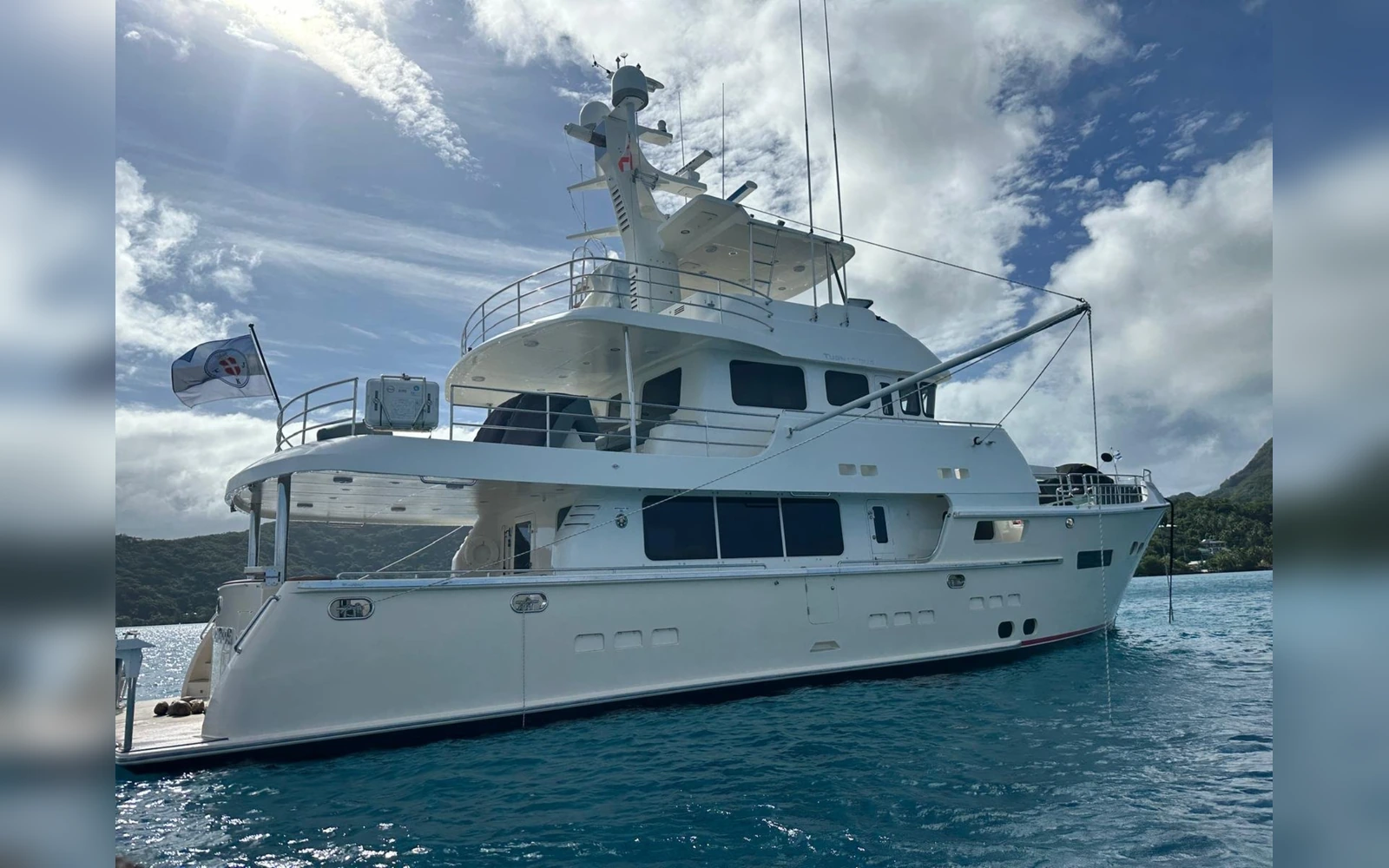
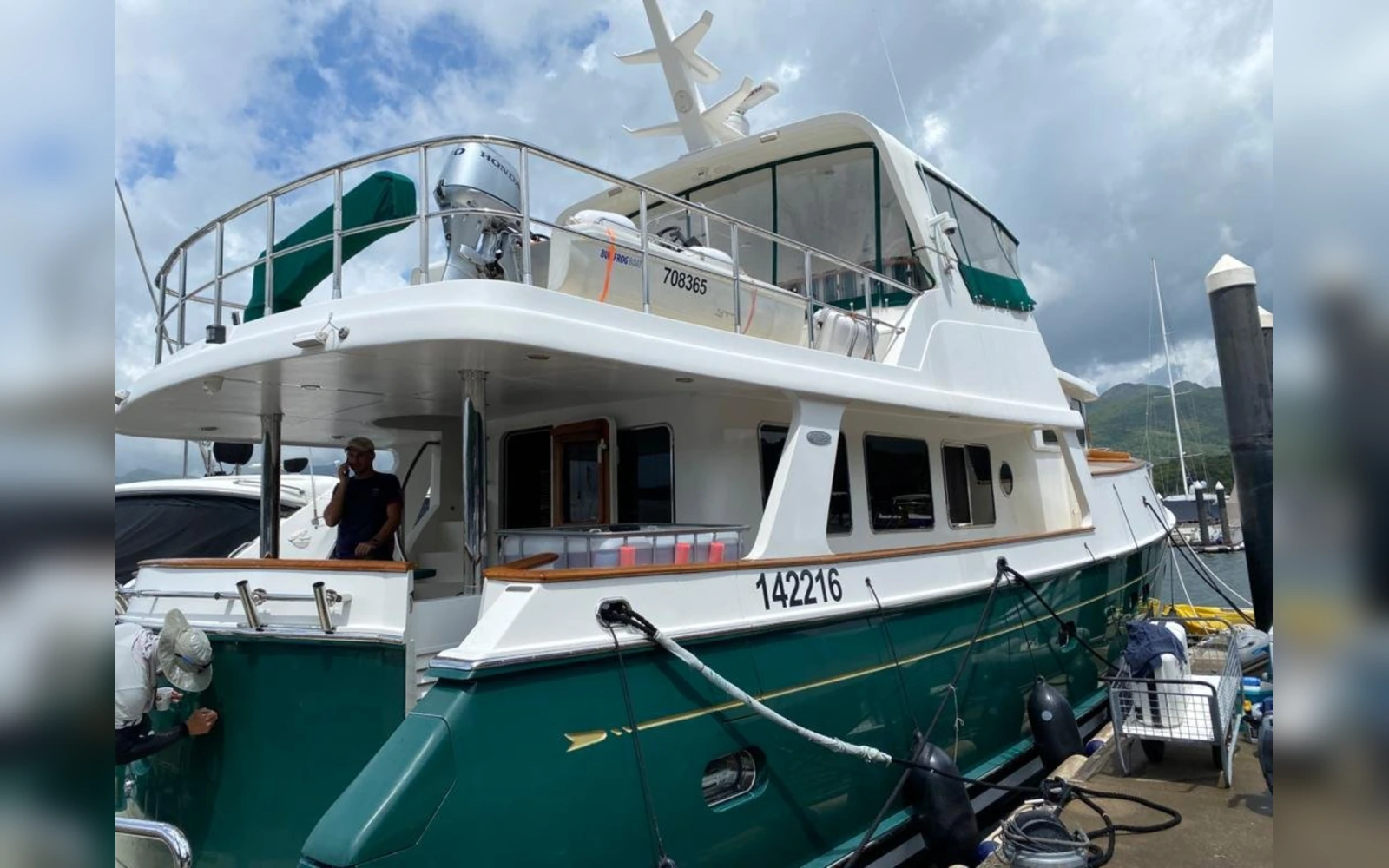
For powerboats and motor yachts:
Fuel planning is critical between refuelling hubs
Slower displacement cruisers are sensitive to head seas
Semi-planing hulls require sea-state limits to avoid structural shock loading
Redundancy in bilge, cooling, and steering systems is non-negotiable
Queensland’s coastline offers many safe havens — but distances between major ports still require range confidence.
Queensland is governed by interacting systems rather than single events.
From April through October, persistent SE trades dominate.
Implications:
Northbound deliveries (Gold Coast to Cairns) face prolonged headwinds.
Sea state steepens where trades oppose the East Australian Current.
Inside reef routing becomes more attractive when conditions allow.
The key is identifying temporary easing phases or directional shifts within the trade cycle.
These systems form mainly in autumn and winter.
Characteristics:
Rapid intensification
Severe coastal wind and swell
Strong onshore components
Dangerous bar conditions at river entrances
ECL timing is not precisely predictable beyond several days. Departure decisions must consider secondary low formation and swell decay lag.
November to April introduces:
Tropical lows
Cyclones
Monsoonal troughs
High rainfall and electrical activity
North Queensland (Cairns region) is particularly exposed.
Cyclone season does not mean “no movement,” but routing must incorporate:
Cyclone tracking uncertainty
Secondary development potential
Insurance policy restrictions
Haul-out contingency planning
The south-flowing EAC influences:
Northbound adverse current (fuel and fatigue impact)
Southbound current assistance (speed optimisation)
Wind-against-current steepening
Delivery timing often seeks current alignment to improve efficiency and reduce hull stress.
Short coastal run but:
Bar crossings (Gold Coast Seaway)
Commercial traffic near Brisbane approaches
Strong tidal flows in Moreton Bay
Tide windows must align with bar safety margins.
Open coastal legs with limited shelter options in certain sectors.
Key considerations:
Fraser Island lee effects
Capricorn Channel exposure
Timing Mackay entry for tide
Operationally complex:
Reef navigation
Coral heads
Restricted night entry in certain anchorages
Limited deep-water escape routes in sudden weather changes
Inside passages reduce swell but increase navigational workload. Outside reef routing increases exposure but simplifies navigation.
Decision-making depends on:
Draft
Radar and chart redundancy
Crew experience
Weather stability window length

For vessels over 45 ft, insurers typically require:
Qualified skipper
Offshore experience
Watch rotation system
Passage plan documentation
Risk management includes:
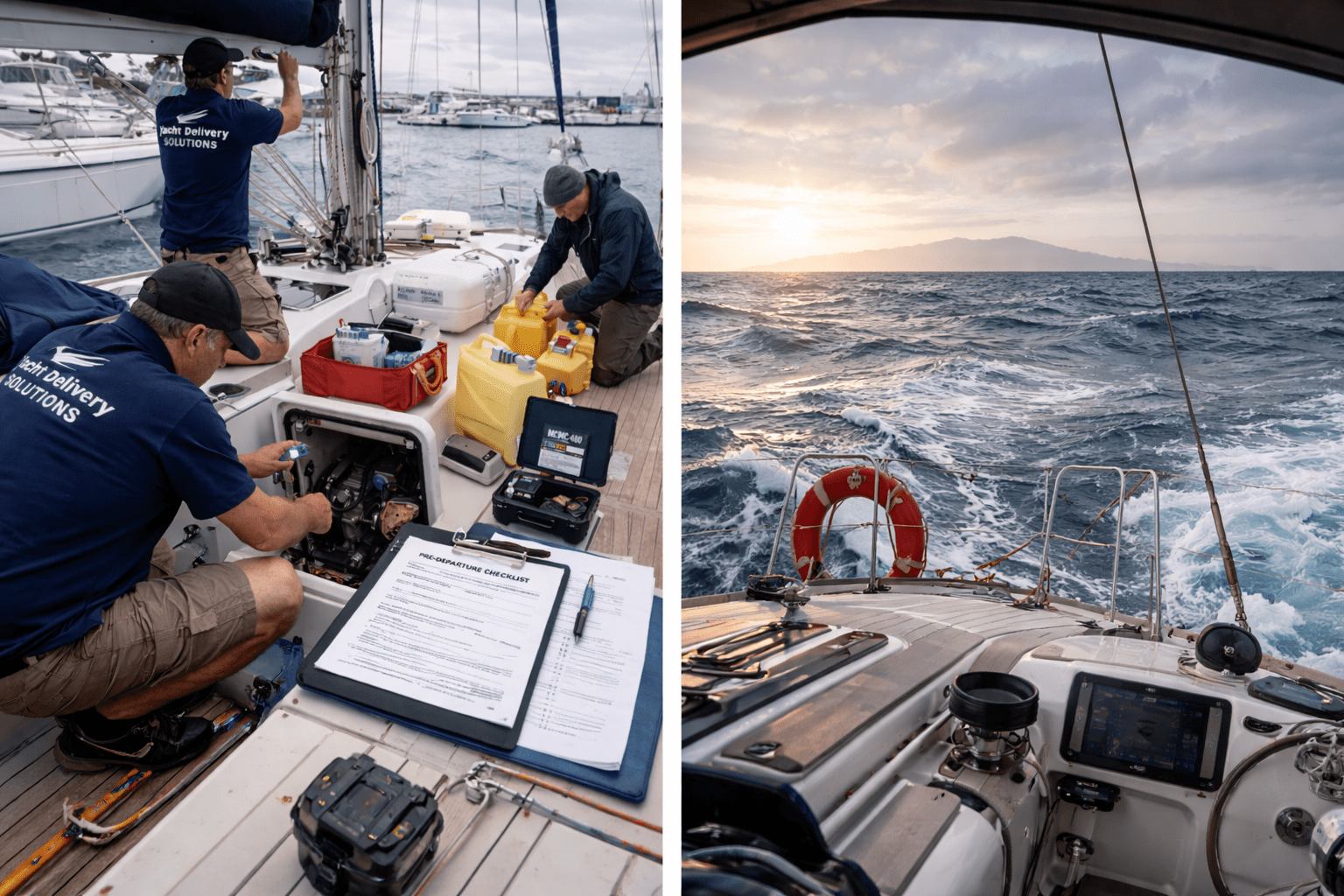
Pre-departure mechanical inspection
Rig and steering checks
Redundant navigation systems
Clear safe-haven matrix
Structured watchkeeping (3-on/3-off or 4-on/4-off depending on crew size)
Fatigue is a major failure vector in Queensland coastal work due to repeated head-sea exposure when moving northbound.
April–October (Trade Wind Season)
More stable.
Predictable SE flow.
Northbound requires tactical windows.
Southbound often favourable.
November–April (Cyclone Season)
Higher volatility.
System monitoring required daily.
Insurance restrictions may apply north of certain latitudes.
Standby strategy common.
No season is “safe.” Only windows are manageable.
Post-purchase relocation from Gold Coast to Sydney
Northbound migration toward Cairns before Pacific crossing
Pre-cyclone repositioning south
Delivery from Sydney into Brisbane or Gold Coast yards
Owner handover in Cairns prior to Coral Sea departure
Each requires different timing logic and fuel/weather modelling.
Queensland is not technically difficult water. It is operationally demanding water.
Professional delivery provides:
Structured weather analysis rather than reactive routing
Current optimisation to reduce fuel burn
Fatigue management for multi-day head-sea work
Reef navigation discipline
Insurance-compliant documentation
We use advanced routing, weather analysis, and voyage optimisation to minimise unnecessary fuel burn, risk, and cost. The objective is controlled movement of a high-value asset — not simply getting from A to B.
For owners repositioning vessels along the Queensland coast — whether between the Gold Coast, Brisbane, Mackay, or Cairns — timing and decision discipline determine outcome quality.
Yacht Delivery Solutions manages these passages with a structured operational framework across Australia and the wider South Pacific.

If you are planning a Queensland relocation, the first step is assessing season, vessel profile, and routing constraints before committing to dates.