Crew Planning for Offshore Yacht Delivery – South Pacific

Crew planning for offshore yacht delivery in the South Pacific is driven by passage length, vessel type, and the level of continuous operation required.

Unlike coastal sailing, these passages involve extended periods offshore, limited diversion options, and the need to maintain consistent watchkeeping over multiple days or weeks.

Crew Numbers & Watchkeeping

Crew size is determined by the demands of the passage rather than minimum legal requirements.

  • Short offshore passages may operate with smaller crews and adjusted watch systems

  • Extended passages require sufficient crew to maintain effective watch rotations without fatigue accumulation

  • Power vessels operating continuously place additional demand on crew endurance and monitoring

The objective is to maintain alert watchkeeping throughout the passage, not simply to meet minimum numbers.


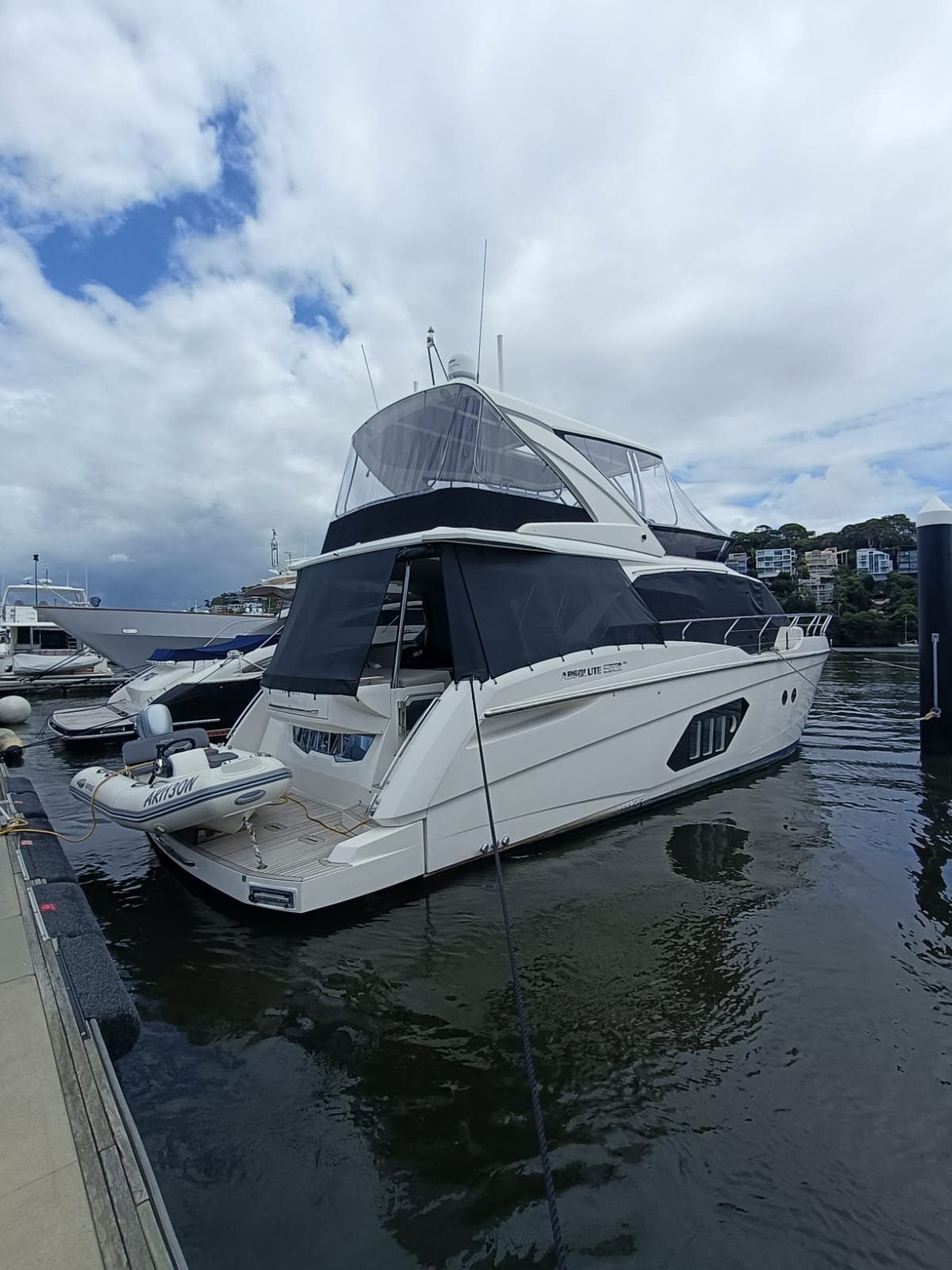
Ultimate 52 tied to a dock in melbourne after the yacht delivery
a yacht delivery skipper in Australia at the helm in a white cockpit

Experience & Role Allocation

Crew are selected based on offshore experience and role clarity.

Typical structure includes:

  • Skipper responsible for overall passage management

  • Competent crew capable of maintaining watches independently

  • Additional crew where required for longer or higher-demand passages

This ensures that the vessel can operate continuously without over-reliance on a single individual.


Fatigue Management Offshore

Fatigue is a primary risk factor on extended passages.

Crew planning accounts for:

  • Watch rotation systems

  • Sleep cycles

  • Duration of passage without interruption

Maintaining consistent performance over time is prioritised over short-term efficiency.

 International Crew Logistics

South Pacific deliveries often involve crew joining and leaving the vessel in different countries.

Typical considerations include:

  • Flying crew into departure points such as Tahiti, Fiji, or Southeast Asia

  • Coordinating crew changes at intermediate ports where required

  • Managing return travel from arrival locations

This is planned in advance to avoid delays and ensure continuity of the delivery.


Visas, Clearance & Practical Constraints

Crew movements across multiple jurisdictions require basic planning around:

  • Entry requirements for transit or joining crew

  • Clearance procedures at intermediate ports

  • Alignment between vessel schedule and flight availability

These factors are integrated into the delivery plan rather than handled reactively.


Delivery Approach

Crew planning is integrated into the overall delivery strategy. Passage length, vessel type such as multihull or power boat, and routing decisions all influence how the crew is structured and managed.

The objective is to maintain a capable, rested crew throughout the voyage, ensuring safe and consistent operation from departure to arrival.

Get a Delivery Assessment