
The Brisbane and Gold Coast corridor is one of Australia’s busiest yacht movement zones. We regularly manage deliveries between Brisbane, the Gold Coast, and further south to Sydney, or north toward the Whitsundays and beyond.
For owners of yachts over 45ft — whether a production cruiser, performance monohull, or offshore powerboat — this coastline demands structured planning, weather discipline, and experienced delivery skippers. This is not a coastal “day hop.” It is an exposed East Coast passage with defined risk factors and narrow weather windows.
Brisbane and the Gold Coast are major commissioning and brokerage hubs. New vessels are handed over here, boats change ownership, and many yachts reposition seasonally.
Typical delivery patterns include:
Gold Coast to Sydney (owner relocation or refit yard transfer)
Brisbane to the Whitsundays
Brisbane or Gold Coast southbound prior to Tasman or New Zealand departures
Post-purchase handover movements from Queensland to southern states
This coastline is exposed to Coral Sea systems, East Coast lows, and persistent southerly change patterns. Timing is critical.
We primarily handle vessels above 45ft, including brands such as:
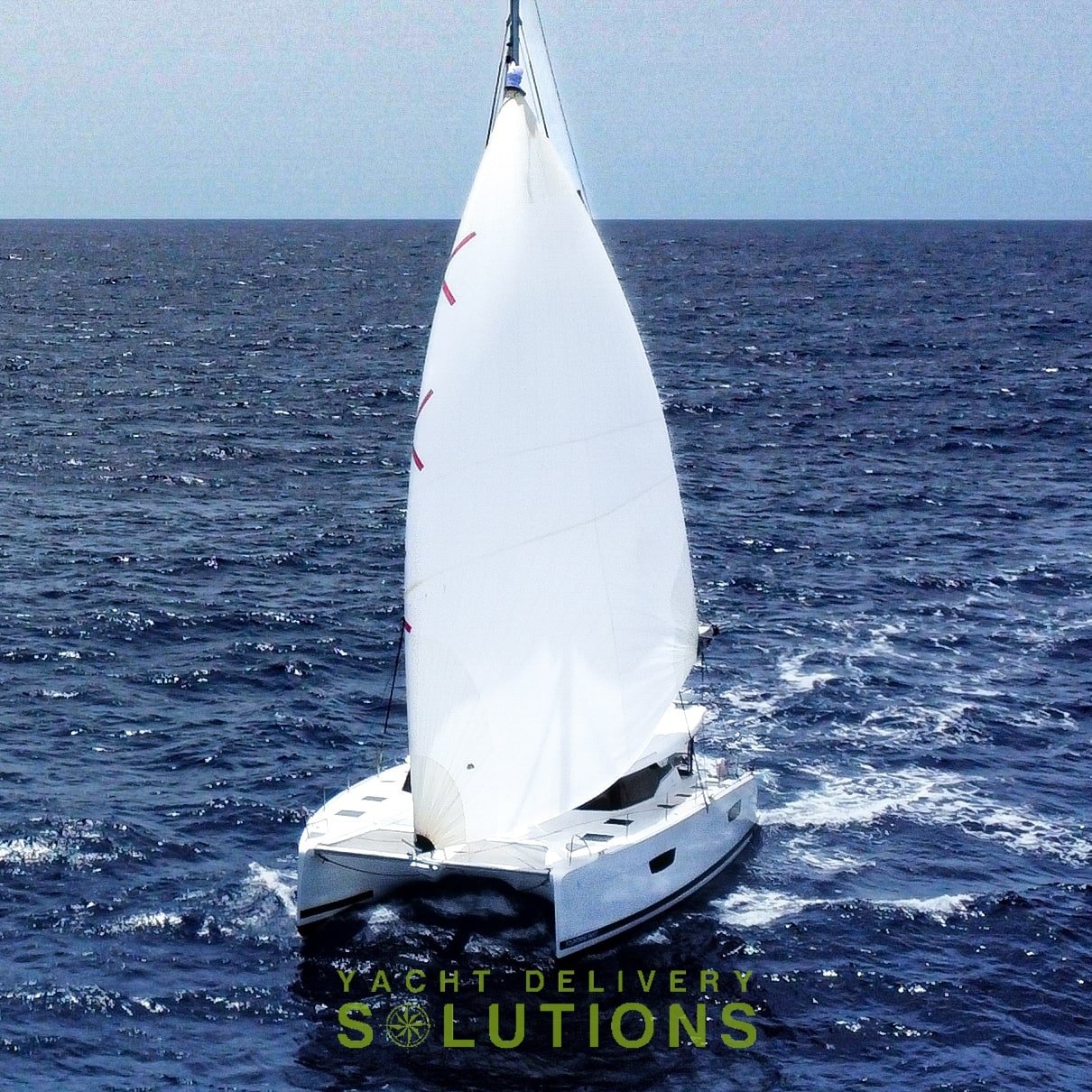
Lagoon catamarans
Fountaine Pajot cruising cats
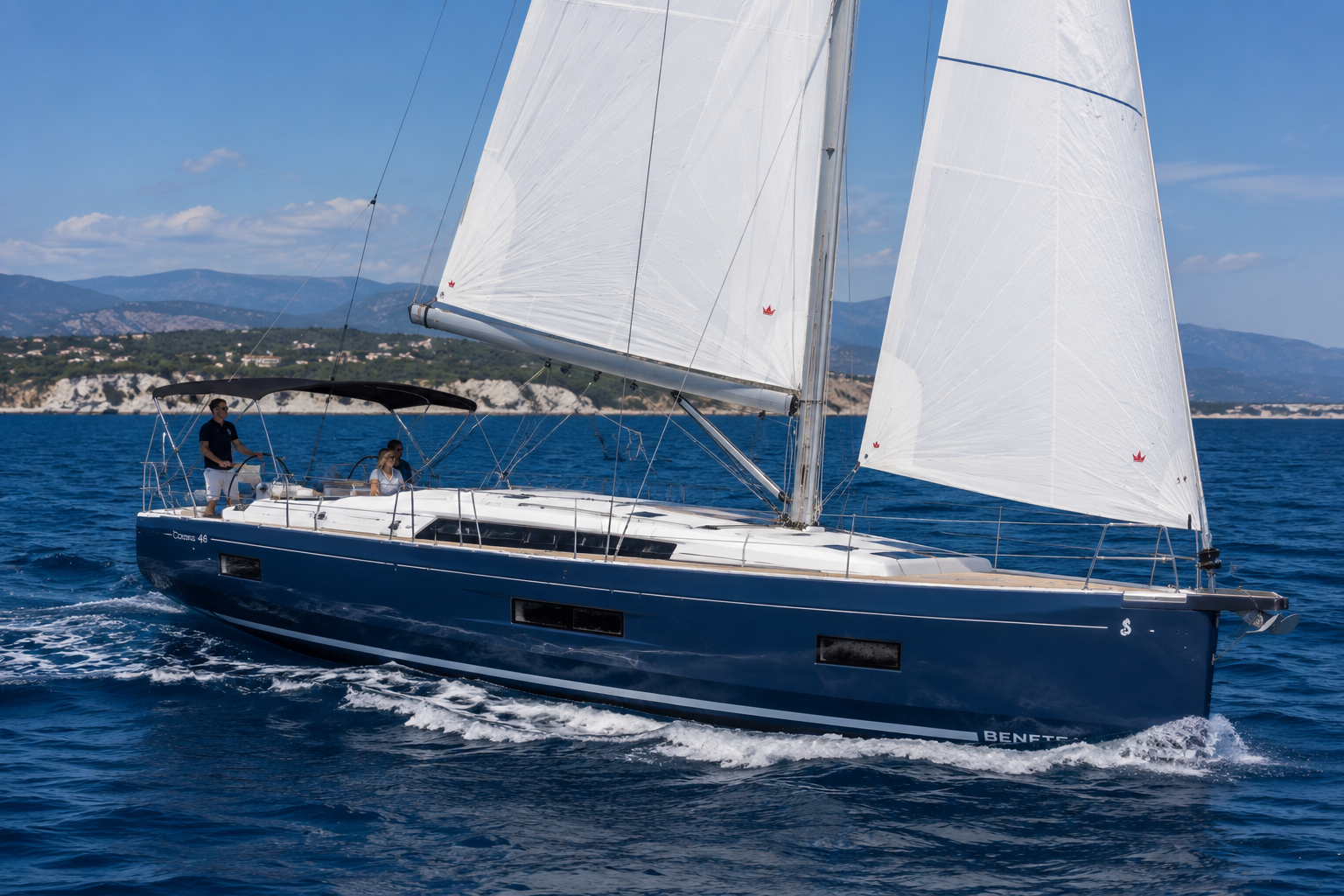
Beneteau Oceanis series
Jeanneau Sun Odyssey models
Hanse performance cruisers
Each has specific delivery implications.
Wide beam increases marina logistics complexity
Bridge deck clearance affects slamming in steep head seas
Windage impacts fuel burn under motor
Systems redundancy varies by model year
The East Coast can produce short, aggressive sea states. Cats need disciplined speed management to avoid structural fatigue over long coastal legs.
Generally better upwind comfort
Lower windage
Deeper draft considerations entering some Queensland bars
Rig inspection critical before committing offshore
Standing rigging age, sail condition, and autopilot reliability are primary evaluation points before departure.
Fuel range becomes the dominant constraint. Brisbane to Sydney offshore legs require conservative consumption modelling, especially when pushing against southerlies.
The delivery strategy depends on direction and season.
East Coast Lows (more frequent in cooler months)
Northerly pre-frontal winds
Southerly busters
Swell direction relative to coastal contour
For Brisbane or Gold Coast to Sydney deliveries, we typically:
Stage the vessel and complete systems checks.
Stand by for a defined weather window.
Move early in a stable pressure pattern.
Avoid committing into forecast southerly changes beyond 20–25 knots sustained.
There is no value in forcing departure to meet a schedule. The East Australian coastline is unforgiving when decisions are rushed.
For northbound movements, the logic reverses — we use favourable northerly patterns and avoid extended SE trades when possible.
Weather routing is not guesswork. It is structured decision-making based on forecast consistency, model agreement, and vessel capability.
For vessels 45–60ft:
Minimum two experienced offshore crew
Structured watch rotation offshore
Redundancy in navigation systems
Manual steering capability confirmed
Autopilot failure mid-passage is common on older brokerage boats. We assume systems may not be perfect and plan accordingly.
Most Australian marine insurers require:
Experienced offshore skipper
Logged sea miles
Documented handover report
Professional delivery reduces underwriting friction. Informal “mate delivery” arrangements often void coverage if something goes wrong.
Traffic density near Brisbane approaches
Fishing fleets off NSW coast
Bar crossings (where relevant)
Night approaches into unfamiliar ports
These are operational issues, not theoretical risks.
There is a material difference between:
A skipper for hire
A professional moving a multimillion-dollar asset
Owners often underestimate:
Cumulative fatigue over 400–600 nautical miles
Mechanical vulnerability of lightly used brokerage boats
The cost of weather delays when self-managed
A structured delivery process provides:
Formal pre-departure inspection
Risk-based departure decisions
Clear cost modelling
Condition reporting at handover
The objective is asset preservation, not speed records.
Brokerage purchase handover – Buyer based in Sydney purchases in Queensland.
Seasonal repositioning – Yacht returns south after Whitsundays cruising.
Pre-Pacific departure staging – Vessel moves south before heading toward New Zealand.
Refit yard transfer – Gold Coast to Sydney yard movement.
Each scenario requires different scheduling logic and contingency planning.
Delivery pricing in this region depends on:
Vessel type and LOA
Offshore vs inside coastal routing
Crew number required
Weather stand-by time
Fuel burn (power vessels especially)
Cheap delivery is rarely low risk. The true cost is exposure to weather and mechanical failure.
Queensland is one of Australia’s primary yacht movement corridors. It demands structured planning, conservative weather decision-making, and experienced offshore command.
At Yacht Delivery Solutions, we manage deliveries across the Australian East Coast, including Brisbane, the Gold Coast, and southbound passages toward Sydney, applying disciplined routing and operational risk management for yachts over 45ft.
If you are repositioning a sail or power yacht along Australia’s East Coast, the key variable is not distance. It is decision quality.